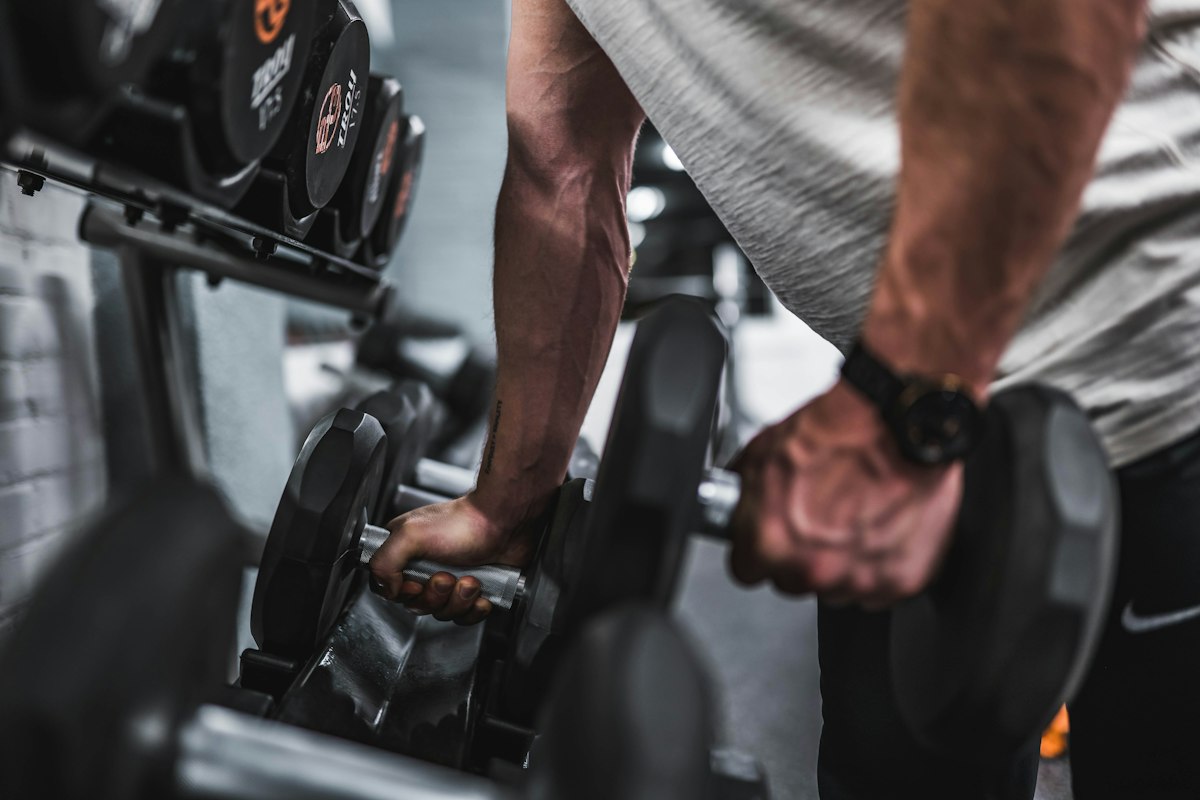
Unilateral Training
Each arm works independently, fixing muscle imbalances and improving coordination.
Range of Motion
Greater freedom of movement allows for deeper muscle activation and stretch.
Versatile Equipment
Perfect for home gyms—hundreds of exercises with minimal equipment.
Understanding Dumbbell Training
Dumbbells are the most versatile strength training tool available. Their free-weight design requires stabilizer muscle engagement that machines can't replicate, leading to functional strength that transfers to real-world activities. Whether you're working out at home or in a commercial gym, dumbbells offer endless exercise variations for every muscle group.
The calorie burn during dumbbell training depends on exercise selection, intensity, and rest periods. Compound movements like dumbbell squats, lunges, and rows engage multiple muscle groups and burn more calories than isolation exercises. Circuit-style dumbbell training can elevate your heart rate to cardio levels while simultaneously building muscle, making it one of the most efficient workout methods available.
Calories Burned by Dumbbell Workout Type
Calorie burn varies based on workout style for a 155-pound person:
| Workout Type | Cal/Hour | Intensity | Focus |
|---|---|---|---|
| Light Dumbbell Training | 200-275 | Easy | Toning |
| Moderate Training | 300-375 | Moderate | Hypertrophy |
| Intense Training | 375-450 | High | Strength |
| Dumbbell HIIT | 450-550 | Intense | Cardio + Strength |
| Dumbbell Complexes | 400-500 | Intense | Metabolic |
Dumbbell Workout Gallery

Tips to Maximize Dumbbell Results
Focus on Compound Moves
Prioritize exercises that work multiple joints: squats, lunges, presses, and rows.
Use Full Range of Motion
Take advantage of dumbbells' freedom—deeper movements mean greater muscle activation.
Try Dumbbell Circuits
String exercises together with minimal rest for cardiovascular and strength benefits.
Train Unilaterally
Single-arm and single-leg exercises improve balance and fix strength imbalances.
Progressive Overload
Gradually increase weight as you get stronger to continue seeing results.
Control the Eccentric
Slow down the lowering phase for greater muscle tension and calorie burn.
Calculate Your Body Fat Percentage
Track your body composition with our free US Navy Method calculator. Know your numbers to measure progress.
Body Fat Calculator