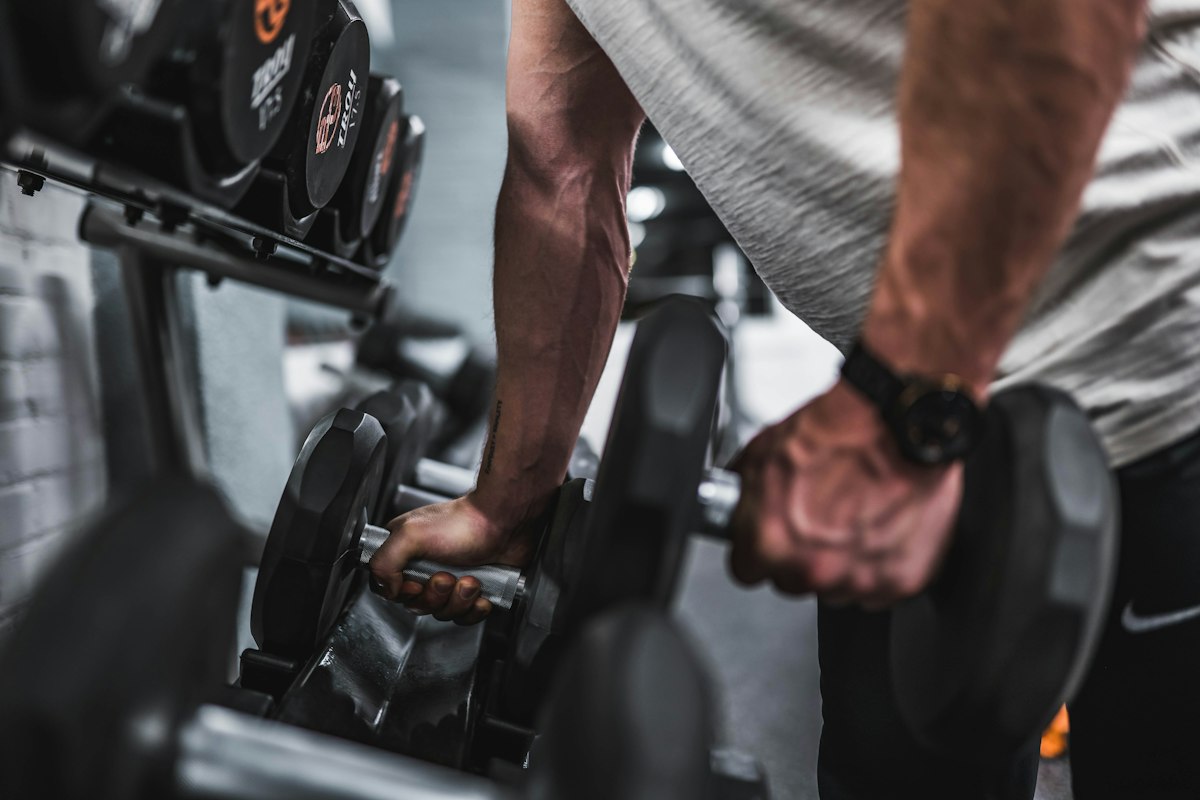
Afterburn Effect
Weight lifting elevates your metabolism for up to 48 hours post-workout, burning extra calories at rest.
Muscle Growth
Progressive overload stimulates muscle protein synthesis, building lean mass that burns more calories daily.
Bone Density
Resistance training strengthens bones and connective tissues, reducing injury risk as you age.
Understanding Weight Lifting Calories
Weight lifting is one of the most effective forms of exercise for transforming your body composition and building functional strength. Unlike cardio exercises that primarily burn calories during the activity, weight lifting creates a metabolic advantage that extends far beyond your gym session. When you lift weights, you create microscopic tears in muscle fibers that require energy to repair and rebuild—a process that continues for 24-48 hours post-workout. This phenomenon, known as Excess Post-Exercise Oxygen Consumption (EPOC), means your body continues burning calories at an elevated rate long after you've racked your last weight.
The calorie burn during weight lifting depends on several factors including the muscle groups worked, exercise intensity, rest periods, and total training volume. Compound movements like squats, deadlifts, and bench presses engage multiple muscle groups simultaneously, demanding more energy than isolation exercises. A well-structured weight lifting program incorporating progressive overload—gradually increasing weight, reps, or sets over time—not only maximizes calorie burn but also ensures continuous muscle growth. Each pound of muscle you gain increases your basal metabolic rate by approximately 6-7 calories per day, creating a compounding effect that makes weight management easier over time.
Calories Burned by Weight Lifting Intensity
Calorie burn varies based on intensity level for a 150-pound person:
| Activity | Cal/30 min | Intensity | Primary Muscles |
|---|---|---|---|
| Light Lifting (MET 3.5) | 115-130 | Moderate | Isolation exercises |
| Moderate Lifting (MET 5) | 165-185 | Vigorous | Mixed compound/isolation |
| Vigorous Lifting (MET 6) | 200-220 | Vigorous | Heavy compound lifts |
| Intense Powerlifting (MET 8) | 265-295 | Intense | Max effort, full body |
| Supersets Training | 220-250 | Intense | Multiple muscle groups |
| Drop Sets | 200-240 | Vigorous | Targeted muscle fatigue |
Weight Lifting Gallery


Tips to Maximize Weight Lifting Results
Focus on Compound Movements
Prioritize squats, deadlifts, bench press, and rows—they engage multiple muscle groups and burn more calories.
Progressive Overload
Gradually increase weight, reps, or sets each week to continuously challenge your muscles and stimulate growth.
Shorten Rest Periods
Keep rest between sets to 60-90 seconds for hypertrophy to maintain elevated heart rate and calorie burn.
Perfect Your Form
Proper technique maximizes muscle activation and prevents injuries that could sideline your progress.
Track Your Workouts
Log exercises, weights, and reps to ensure progressive overload and monitor calorie expenditure over time.
Fuel Your Training
Consume adequate protein (0.8-1g per pound of bodyweight) to support muscle repair and growth.
Calculate Your Body Fat Percentage
Track your body composition with our free US Navy Method calculator. Know your numbers to measure progress.
Body Fat Calculator